In the rapidly growing market of disposable e-cigarettes, manufacturers face increasing scrutiny. Consumers are becoming more discerning. They seek reassurance about product safety and quality. This raises the question: "what certifications should disposable e cigarette manufacturers have?"
Certifications play a vital role in establishing trust. They assure customers of compliance with health standards. For manufacturers, these credentials can differentiate their products from competitors. Brands need to navigate complex regulations. This can be challenging, as requirements differ by region. Understanding these distinctions is essential for business success.
However, not all manufacturers prioritize obtaining relevant certifications. Some may overlook this step, putting their reputation at risk. Ambiguous practices can lead to consumer mistrust. It's crucial for manufacturers to reflect on their certification processes. They must ensure their products are both safe and compliant. In this evolving industry, the right certifications are not just a formality; they are a necessity.
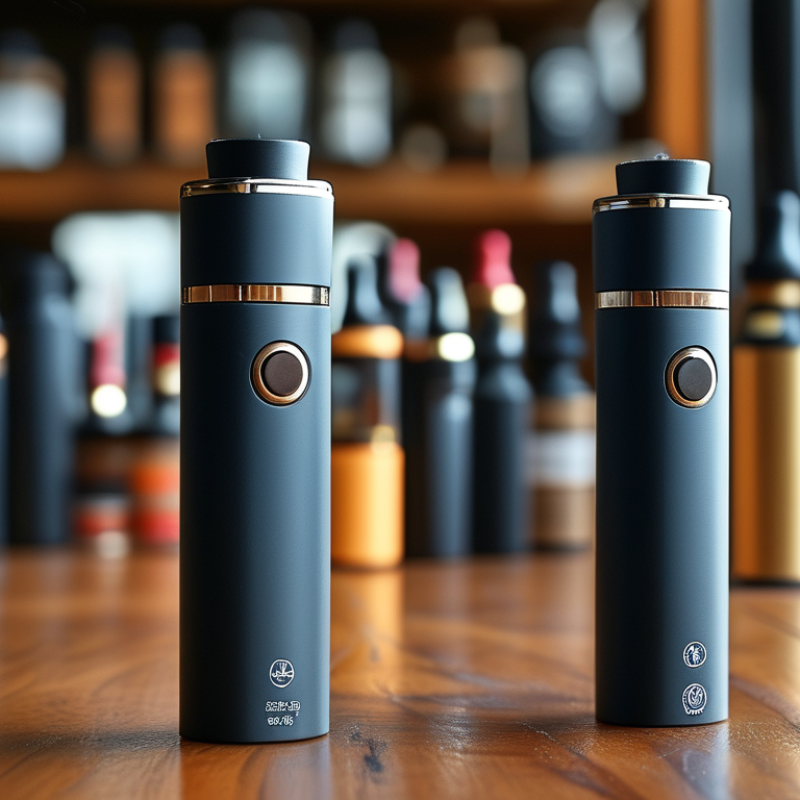
When it comes to producing disposable e-cigarettes, certifications are crucial. They assure consumers of product safety and quality. Manufacturers need various certifications for compliance. One essential certification is the ISO 9001, which indicates quality management. This standard demonstrates a commitment to producing consistent products.
Another important certification is CE marking in Europe. It signifies that the product meets essential safety requirements. Manufacturers may also seek FDA compliance if they are in the U.S. This regulatory approval is key, as it ensures that the products are safe for public use.
Manufacturers should also consider environmental certifications. For example, certifications like RoHS and WEEE focus on minimizing electronic waste. Not every manufacturer prioritizes these certifications. This lack of attention raises concerns about sustainability. In an industry that is constantly evolving, staying updated is vital. Each certification not only elevates a manufacturer's credibility but also enhances trust among consumers.
The regulatory landscape for e-cigarettes continues to evolve. Manufacturers of disposable e-cigarettes must prioritize safety standards to meet regulatory requirements. Compliance with these requirements ensures consumer protection and enhances product credibility. Organizations such as the FDA and various international bodies have specific guidelines that manufacturers must follow.
Safety standards often include rigorous testing for harmful substances and quality control measures. Independent laboratories typically conduct tests, providing unbiased results. Moreover, manufacturers should invest in certifications that demonstrate their commitment to safety and reliability. Proper certifications can improve trust among consumers and differentiate products in a competitive market. However, many companies struggle with the complexity of these certifications, leading to lapses in compliance.
Inadequate knowledge about regulations can result in costly mistakes. Manufacturers should conduct regular training for their teams on new laws and testing protocols. This ongoing education helps maintain compliance and improves overall product quality. The challenge lies in balancing innovation with safety standards, as the market constantly demands new flavors and designs. Emphasizing safety should never take a backseat, despite market pressures.
Quality control certifications are crucial in the e-cigarette industry. Manufacturers must demonstrate their commitment to safety and quality through recognized certifications. These credentials often include ISO certifications, which set international standards for manufacturing and product quality. Such certifications assure consumers that products are produced under stringent quality control measures.
Moreover, compliance with Good Manufacturing Practices (GMP) is vital. GMP guidelines ensure that products are consistently processed and controlled. This reduces risks in production and assures product safety. Many manufacturers may find meeting these standards challenging, but it is essential for credibility.
In addition to these certifications, manufacturers should invest in regular audits and inspections. This external validation highlights their dedication to maintaining high standards. Without such measures, trust and consumer confidence can erode. Striving for continual improvement should remain a focal point in their operations.
The environmental impact of disposable e-cigarettes is a growing concern. Manufacturers must prioritize certifications that address sustainability. Key certifications include those related to waste management and eco-design. These certifications ensure that production processes minimize harm to the environment. They often require companies to use recyclable materials. This approach helps reduce plastic waste and supports a circular economy.
Health impact certifications are equally crucial. They help assure consumers about the safety of the products. Manufacturers need to demonstrate compliance with health regulations. Certifications often involve rigorous testing of ingredients. The aim is to ensure materials are free from harmful substances. This fosters consumer trust but can be complex to navigate. Not all manufacturers meet these standards, raising questions about product safety.
Additionally, transparency is essential for credibility. Companies should openly share their certification processes. This allows for consumer scrutiny and promotes informed choices. There’s room for improvement in how manufacturers communicate these efforts. Some still lack clear information about their environmental and health certifications. This gap highlights the need for better industry practices.
When it comes to disposable e-cigarette manufacturing, several market-specific certifications are essential for global distribution. The compliance landscape varies significantly from region to region. For instance, certifications in Europe might differ from those in North America or Asia. Navigating these regulations requires a deep understanding of each market's requirements.
Manufacturers often face challenges in meeting these diverse standards. The importance of ISO certifications is paramount. These certifications ensure that products meet quality and safety specifications. Moreover, certifications like CE marking in Europe or FDA approvals in the U.S. are critical for demonstrating compliance. However, testing standards can vary, and keeping pace with changing regulations is a persistent hurdle for manufacturers.
Quality control should not be overlooked. Manufacturers may struggle with consistent product quality due to various factors. Sometimes, the focus on obtaining certifications can distract from maintaining high production standards. It’s essential to find a balance between regulatory compliance and product integrity. Continuous reflection on these practices can lead to better results in the long run.
| Certification Type | Description | Region Applicable | Certification Authority | Validity Period |
|---|---|---|---|---|
| ISO 9001 | Quality Management Systems Standard | Global | ISO | 3 years |
| CE Marking | Conforms to European Health, Safety, and Environmental Protection Standards | European Union | Notified Bodies in Europe | Indefinite as long as compliance is maintained |
| TUV Certification | Confirm safety and quality for electronic and electrical equipment | Global | TUV Rheinland/Nord | 3 years |
| RoHS Compliance | Restriction of Hazardous Substances in Electrical and Electronic Equipment | European Union | EU Compliance Authorities | Indefinite as long as compliance is maintained |
| FCC Certification | Federal Communications Commission compliance for electronic devices | United States | FCC | 3 years |
: Key certifications include ISO 9001 for quality management and CE marking for safety compliance.
FDA approval ensures that e-cigarettes are safe for public use and meet regulatory standards.
Certifications like RoHS and WEEE minimize electronic waste and promote sustainability in production processes.
Many struggle to understand complex regulations, leading to potential compliance lapses and costly mistakes.
Rigorous testing ensures products are free from harmful substances, enhancing consumer trust.
Companies should openly share certification processes, allowing consumers to make informed choices.
Some manufacturers fail to provide clear information on their environmental and health certifications.
Regular training keeps teams updated on regulations, improving product quality and compliance.
Yes, but it requires prioritizing safety despite market pressures for new flavors and designs.
Neglecting these certifications may harm sustainability efforts, raising concerns about the industry’s future.
In the rapidly evolving e-cigarette market, understanding what certifications should disposable e-cigarette manufacturers have is crucial for ensuring product safety and compliance. Manufacturers must obtain various certifications that highlight their adherence to regulatory requirements for safety standards, which often involve rigorous testing and quality assurance processes. Quality control certifications are vital for maintaining consistency and reliability in product performance, while environmental and health impact certifications are increasingly important as consumers become more health-conscious and environmentally aware.
Additionally, market-specific certifications are essential for manufacturers looking to distribute their products globally. These certifications ensure that e-cigarettes meet regional regulations and safety standards, facilitating smoother entry into diverse markets. In conclusion, acquiring the appropriate certifications not only benefits manufacturers by bolstering credibility but also assures consumers of the safety and quality of disposable e-cigarette products.
Kizz Vape