The vaping industry has experienced significant growth over recent years. In 2022, the global e-cigarette market was valued at approximately $19 billion and is projected to reach $40 billion by 2027. As consumers look for alternatives to traditional cigarettes, understanding what is the difference between disposable and refillable e-cigarettes becomes crucial.
Disposable e-cigarettes offer convenience and ease of use. They come pre-filled and are ready to use right out of the box. On the other hand, refillable e-cigarettes provide users with the ability to customize their vaping experience. Industry reports indicate that refillable options can potentially save users money in the long run. However, they require a more hands-on approach, which may not appeal to everyone.
Many users may find the distinction confusing. Some believe that disposable devices are better for occasional use, while refillable ones suit regular vapers. A report by the American Vaping Association highlights that both types have their advantages and disadvantages. Understanding these aspects is essential for informed consumer choices, which may require further reflection. The journey towards responsible vaping is a personal one, influenced by individual preferences and habits.
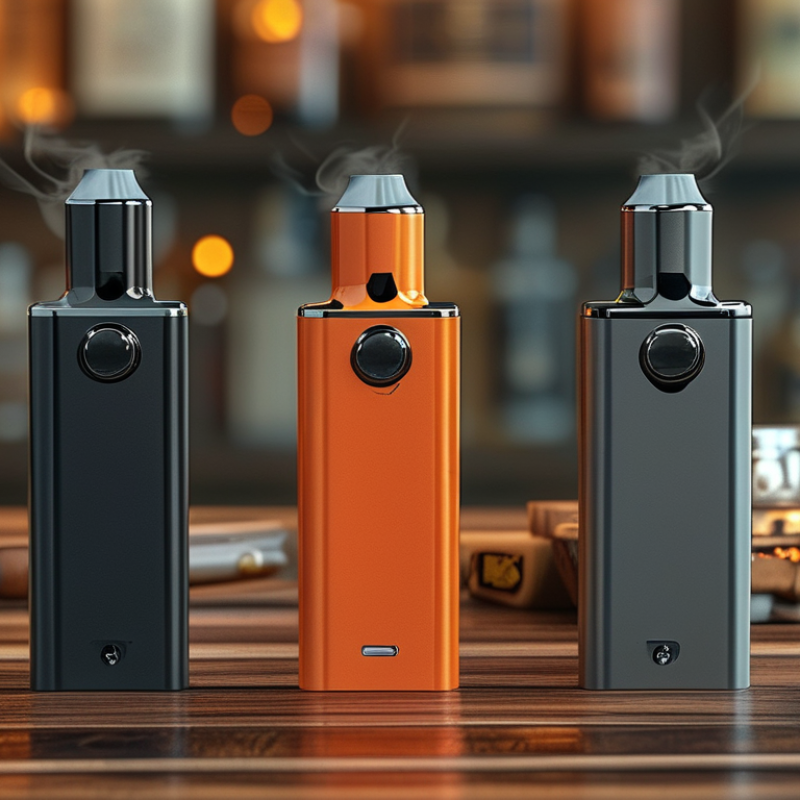
When it comes to design and convenience, disposable and refillable e-cigarettes present distinct characteristics. Disposable e-cigarettes are typically lighter and more compact. They are designed for one-time use, eliminating the need for any refilling process. Users can easily throw them away after consumption. This makes them a convenient choice for on-the-go vaping. However, their single-use nature raises questions about sustainability and waste.
On the other hand, refillable e-cigarettes allow for a more personalized vaping experience. Users can choose their preferred e-liquid flavors and nicotine levels. This customization can create a more satisfying experience. However, these devices come with a steeper learning curve. Refilling the tank and maintaining the device requires some knowledge and effort. Some users might find it cumbersome compared to the simplicity of disposables.
While disposables offer convenience, they may not be cost-effective in the long run. Refillable options, while more complex, can be more economical for regular users. Ultimately, the choice between the two devices depends on individual preferences and lifestyle. Balancing convenience with sustainability and cost is crucial in making the right decision.
This chart illustrates the key differences between disposable and refillable e-cigarettes across various dimensions. Measurements are rated on a scale from 1 to 6, where 1 represents the lowest and 6 the highest value in each category, providing a visual representation of the trade-offs associated with each type.
The cost analysis of disposable versus refillable e-cigarettes reveals important differences. Disposable e-cigarettes are inexpensive upfront. Users enjoy a lower initial cost when starting. However, these devices are not sustainable for long-term use. Frequent purchases can add up quickly over time.
Refillable e-cigarettes require more investment at first. The initial cost for a device and accessories is higher. Yet, the long-term expenses can be significantly lower. Users can save money by buying e-liquid in bulk. This option provides a wider variety of flavors and nicotine levels.
While disposable options are convenient, they often lead to regret. Many users realize that constant refills could have saved money. The environmental impact is also a concern. Refillable devices are more sustainable, reducing waste significantly. Users need to weigh convenience against long-term value carefully.
When it comes to e-liquids, variety can be a key consideration in choosing between disposable and refillable e-cigarettes. Disposable e-cigarettes typically come with a pre-filled e-liquid. This limits the choices available but offers convenience. Users do not have to worry about the messy process of refilling. They can simply buy a new device when the e-liquid runs out. However, the flavors are often limited to a few popular options. This can be a drawback for the more adventurous vaper seeking unique tastes.
On the other hand, refillable e-cigarettes provide a broader array of e-liquids. Users can select from numerous flavors and nicotine strengths. This allows for a more personalized vaping experience. Many refillable systems even permit mixing different e-liquids. However, the refill process may deter some users. It requires knowledge of how to operate the device and manage the liquids. Users must also ensure they store their e-liquids properly to maintain flavor integrity. For those willing to invest time, the rewards can be significant. But for casual users, the added complexity may seem overwhelming.
The environmental impact of disposable versus refillable e-cigarettes is a pressing concern. According to a study by the European Tobacco Harm Reduction Advocates, disposable e-cigarettes contribute significantly to electronic waste. In 2020, an estimated 2 million tons of e-waste were generated globally, with a notable portion attributed to disposable devices. These discarded products often end up in landfills, where they can take years to decompose.
Refillable e-cigarettes present a more sustainable option. They reduce waste generation significantly by allowing users to refill them multiple times. A report by the World Health Organization estimates that transitioning to refillable systems could cut e-waste in half. However, even refillable options are not entirely without their challenges. The production and transportation of refillable pods or liquids still contribute to the carbon footprint.
There is ongoing discussion about the recycling potential of e-cigarette components. Many users are not aware that certain parts can be recycled. Only 10% of disposable e-cigarettes get properly disposed of, leading to environmental dilemmas. Overall, addressing the sustainability of e-cigarette products is critical as the market evolves. As consumers, awareness and education about these environmental impacts are essential steps toward fostering more responsible usage.
When choosing between disposable and refillable e-cigarettes, user experience plays a crucial role. Taste is often subjective, yet many users prefer refillable options. They offer a wider range of e-liquid flavors to explore. Users appreciate the depth and richness that diverse flavors can provide. Disposable e-cigarettes, on the other hand, are often pre-filled with limited choices, which can feel monotonous.
Hit quality is another significant factor. Refillable units typically allow for adjustable airflow and wattage settings. This flexibility can create a more satisfying throat hit, tailored to individual preferences. However, some users may find that the consistency of disposable devices is appealing. They provide a dependable experience without the need for adjustments or settings.
Customization options can enhance overall satisfaction. Refillable e-cigarettes allow for experimentation with various nicotine levels and flavor profiles. Yet, this freedom may be daunting for newcomers. Some users might prefer the simplicity that disposables offer, despite their limitations. Balancing between customization and ease can be complicated for many vapers, leading to ongoing discussions within the community.
| Feature | Disposable E-Cigarettes | Refillable E-Cigarettes |
|---|---|---|
| Taste Variety | Limited flavors available | Wide range of e-liquid flavors |
| Hit Quality | Consistent hit delivery | Customizable hit strength |
| Customization Options | Minimal customization | Extensive customization available |
| Cost Per Use | Higher cost over time | Lower cost with reusable design |
| Convenience | Ready to use, no prep | Requires refilling and maintenance |
: Disposable e-cigarettes are lightweight and designed for single use. Refillable options allow for customization but require maintenance.
Yes, they are easy to use and throw away. This makes them great for on-the-go vaping.
Yes, refillable e-cigarettes provide a wider range of e-liquids. Users can choose flavors and nicotine levels.
Some find it complex. Refilling and maintenance can be challenging without proper knowledge.
Disposables can be more expensive over time. Refillable options may save money for regular users.
Yes, many refillable e-cigarettes allow mixing different e-liquids. This adds to the customization.
Limited flavors and sustainability concerns are major drawbacks. They contribute to waste after single use.
E-liquids need proper storage to maintain flavor. Improper storage may lead to flavor loss.
The added complexity of refilling might be overwhelming for casual users seeking simplicity.
Yes, there is a learning curve. Users need to become familiar with the device and maintenance.
When considering what is the difference between disposable and refillable e-cigarettes, several key factors come into play. In terms of design and convenience, disposable e-cigarettes offer a user-friendly option with no need for refilling or maintenance, while refillable devices allow for greater customization and a wider choice of e-liquid flavors. A cost analysis reveals that while disposables may have lower initial expenses, refillables can be more economical in the long run due to the reusable nature of their components.
Additionally, the environmental impact is notable, as disposable e-cigarettes contribute to waste generation, whereas refillable options promote sustainability through reduced waste. User experience also varies; disposables provide a consistent flavor and hit quality, but refillable e-cigarettes offer more options for personalization and enhanced taste. Ultimately, the choice between disposable and refillable e-cigarettes depends on individual preferences regarding convenience, cost, variety, environmental considerations, and overall vaping experience.

Kizz Vape