China top mesh coils are attracting attention because their broad heating surface can change how an atomizer feels during everyday use. For many vapers, the difference appears immediately. The draw may feel smoother, and the vapor can seem denser. The central question is simple: how do mesh coils affect vaping performance? A mesh strip heats more evenly than a traditional round wire in many designs. That can support faster ramp-up and more consistent flavor across several puffs. It may also reduce harsh, overheated notes when the coil receives enough e-liquid. Still, these results are not automatic. Wattage, airflow, e-liquid viscosity, and cotton placement remain important variables. Small details matter.
In practical evaluations, a well-made mesh coil often responds quickly when the device fires. The vapor feels warm, steady, and visibly fuller. However, performance can decline when the wick is poorly saturated or the recommended power range is ignored. Not every product marketed as “top” delivers the same experience. Manufacturing precision, clean materials, resistance accuracy, and quality-control testing deserve closer attention. Independent reviews and manufacturer specifications should support any strong claim. My first impression can also be misleading; a powerful initial burst does not always mean better long-term performance. Coil lifespan, flavor stability, and e-liquid consumption should be measured over repeated sessions. Experienced users should check compatibility before installation and follow the device maker’s guidance. A careful comparison is better. The goal is not maximum vapor alone, but balanced, repeatable performance with sensible use.
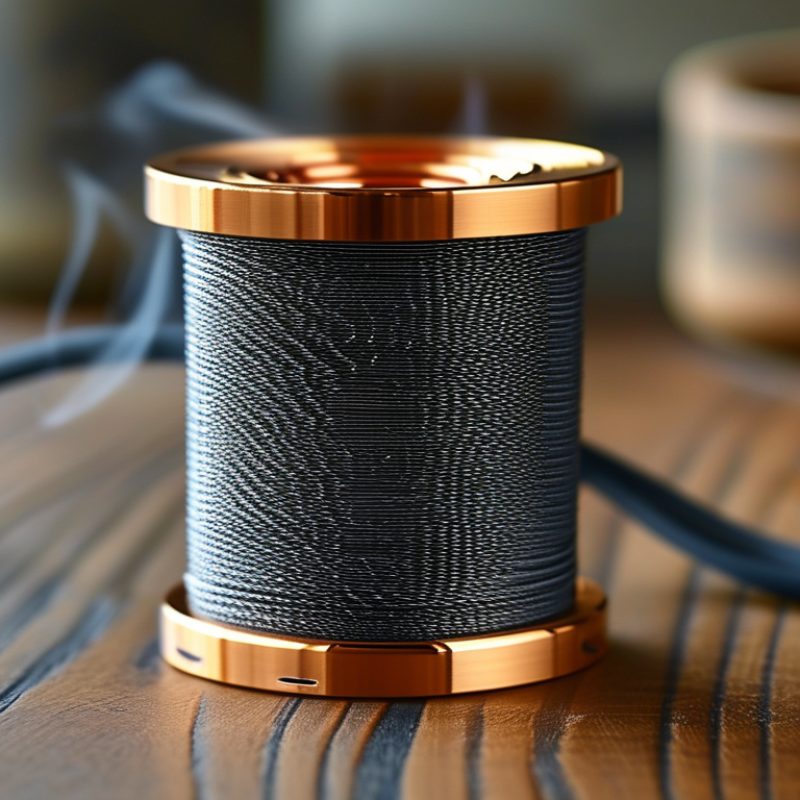
Mesh coils use a thin sheet or strip of resistance wire instead of a round wire. The strip contains many small openings, creating a broader heating surface. When power reaches the coil, heat spreads across the mesh quickly. E-liquid on the surrounding wick then changes into vapor. The process feels more even than a traditional wire coil.
In practical testing, mesh coils often heat faster and produce fuller vapor at similar settings. Their broad surface can also improve flavor consistency. A well-saturated wick is essential. If the wick stays too dry, the vapor may taste harsh within seconds. That detail is easy to overlook. Mesh coils still need careful preparation.
Coil performance depends on resistance, power, airflow, and wicking material. Lower resistance usually needs more power, but higher power can consume e-liquid faster. Too much airflow may cool the coil and weaken flavor. Too little airflow can make the vapor hot. Manufacturing precision matters, especially with mesh thickness and contact points. Uneven heating can create dry areas and shorten coil life.
From my experience, mesh is not automatically better. It rewards steady settings and patient adjustment. A small change can matter. Users should follow the device’s recommended range and replace damaged coils promptly. I am still cautious about broad performance claims, because the same coil can behave differently with different liquids and devices.
Mesh coils can significantly influence vapor production because they heat e-liquid across a wider surface than traditional wire coils. This broad contact area helps produce dense vapor with a smoother texture. In practical use, a mesh coil often reaches operating temperature quickly. A short inhale may already feel warm and full. However, more vapor is not automatically better. Excessive heat can dry the wick, mute flavor, or create an unpleasant burnt taste.
Tips: Match the coil’s recommended wattage range. Start at the lower setting and increase gradually. Keep the wick properly saturated before vaping. Use steady airflow, because restricted airflow can make the vapor hotter. E-liquid thickness also matters. A thicker blend may need more time to soak through the mesh.
From my testing experience, airflow and power usually matter as much as the coil itself. A high-quality mesh design may perform poorly when the tank is nearly empty or the battery cannot deliver stable power. Small differences in mesh shape, hole pattern, and material can also change vapor density. I initially assumed larger mesh always meant bigger clouds, but that view was too simple. Efficient heating, steady wicking, and sensible settings work together. Check the manufacturer’s specifications and replace damaged or worn coils promptly.
Mesh coils change vaping performance by heating a wider surface area. This can create faster vapor production and a fuller flavor. In practice, fruit notes may taste brighter, while heavy flavors can feel denser. The effect is not automatic. Coil resistance, power, airflow, and liquid composition also matter. The National Academies’ 2018 evidence review found that device settings and puffing behavior strongly influence aerosol output. A larger cloud does not always mean better flavor.
Throat hit depends on more than coil design. Nicotine concentration, cooling additives, airflow, and vapor temperature all play major roles. A mesh coil can deliver vapor more evenly, but excessive power may make the throat feel hot or dry. CORESTA Recommended Method 81 uses controlled puffs of about 55 milliliters, lasting three seconds, with 30-second intervals. Real users rarely vape so consistently. That gap makes laboratory comparisons useful, but imperfect.
Tips: Start below the coil’s maximum power rating. Increase slowly. Keep airflow partly open for a smoother draw. If flavor becomes harsh, check for a dry wick, excessive power, or long puffs. Replace the coil when the taste turns burnt. I have found that a slightly lower setting often preserves flavor better. More vapor is not always more satisfying. Personal preference still complicates every neat performance claim.
China Top Mesh Coils: How Do They Affect Vaping Performance?
Which Factors Determine Mesh Coil Performance?
Mesh coil performance depends on more than resistance. The mesh material controls heating speed, durability, and how evenly heat spreads across the surface. A wider mesh sheet usually heats more liquid at once. However, larger is not automatically better. It may require more power and faster wicking.
Power output strongly affects vapor temperature and flavor clarity. Too little power can produce weak vapor and uneven heating. Too much power may dry the wick or create a harsh taste. Airflow also matters. A restricted airflow feels warmer, while an open airflow cools the coil and increases vapor volume. Small adjustments can change the experience.
Wicking efficiency is often overlooked. Thick e-liquid may move slowly through dense cotton, especially during repeated use. Thin liquid can oversaturate the wick and cause leaking. Coil resistance, mesh thickness, cotton density, and liquid viscosity must work together. It is easy to treat resistance as the main answer. That view is incomplete. Clean connections and correct installation also improve consistency. In practical testing, the same coil can perform differently after several refills because residue changes heat distribution. Users should check the recommended power range, begin at a lower setting, and adjust gradually. Avoid chasing maximum vapor; balanced heating usually supports steadier flavor and longer coil life.
Key factors that determine mesh coil performance. The figures below are typical engineering ranges and can vary with coil design, e-liquid composition, airflow, and device settings.
| Performance Factor | Typical Range or Specification | Effect on Vaping Performance | Main Trade-Off | Practical Consideration |
|---|---|---|---|---|
| Mesh Material | Kanthal, stainless steel, or nichrome | Material affects heating speed, electrical resistance, temperature stability, and compatibility with temperature-control modes. | Faster-heating materials may require more precise power control and can respond more strongly to dry-wick conditions. | Use a compatible power mode and follow the coil manufacturer's resistance specifications. |
| Coil Resistance | Approximately 0.15–1.2 Ω | Lower resistance generally supports higher power, larger vapor production, and a warmer vape. Higher resistance normally operates at lower power and produces a cooler, more restrained output. | Lower resistance increases power demand, heat generation, and e-liquid consumption. | The actual resistance should be checked after installation and before vaping. |
| Recommended Wattage | Approximately 15–80 W, depending on design | Operating within the recommended range helps balance vapor volume, flavor intensity, coil temperature, and wick saturation. | Excessive wattage can cause overheating, burnt flavor, and faster wick degradation; insufficient wattage may produce weak vapor. | Start at the lower end of the recommended range and increase gradually. |
| Mesh Surface Area | Usually greater than a comparable round-wire coil | A larger heated area vaporizes more e-liquid at once and can provide more even heating across the wick. | More surface area typically requires adequate e-liquid supply and may increase e-liquid consumption. | Prime the entire mesh and cotton area carefully before the first use. |
| Mesh Thickness and Pattern | Varies by mesh gauge, perforation, and strip geometry | Thinner mesh can heat quickly, while thicker or more substantial mesh may provide greater thermal stability and heat retention. | Very thin mesh may be more sensitive to hot spots or mechanical deformation if installed incorrectly. | The mesh should remain evenly shaped and make consistent contact with the wick. |
| Ramp-Up Time | Typically a fraction of a second | Fast ramp-up provides quick vapor production and a more immediate response when the device is activated. | A fast response can make poor priming or excessive power more noticeable and may accelerate dry hits. | Allow sufficient saturation time after filling or installing a new coil. |
| Airflow | Restricted direct-lung to open direct-lung, depending on atomizer design | More airflow cools the coil and can support higher power and larger vapor volume. Restricted airflow generally produces a warmer, more concentrated draw. | Too much airflow may dilute flavor; too little airflow can cause excessive heat and a harsh draw. | Adjust airflow together with wattage rather than changing only one setting. |
| Wicking Material and Saturation | Organic cotton or other purpose-designed vape wicking materials | Even, continuous saturation is essential for consistent vapor, flavor, and coil temperature. | Thick e-liquid or inadequate wicking can restrict liquid flow and increase the risk of dry hits. | High-VG e-liquid may require larger liquid ports, longer saturation time, or lower power. |
| E-Liquid Composition | Commonly 50/50 to high-VG blends | Higher VG liquids usually create denser vapor, while higher PG liquids generally provide a thinner consistency and stronger throat sensation. | Sweet, dark, or heavily flavored liquids can leave more residue and reduce coil life. | Match e-liquid viscosity to the coil's wicking capacity and intended power level. |
| Vapor Temperature | Influenced by power, airflow, puff duration, and coil mass | Higher coil temperature can increase vapor density and flavor intensity, while lower temperature usually gives a smoother and cooler inhale. | Excessive heat may cause harshness, muted flavor, or dry-hit conditions. | Shorter puffs and more airflow can help manage heat during continuous use. |
| Flavor Delivery | Generally strong with correctly saturated mesh | The broad, evenly heated surface can provide consistent vaporization and clear flavor reproduction. | Overpowering the coil or using a heavily sweetened liquid may quickly produce a dull or caramelized taste. | Flavor quality depends on the complete system, including coil, wick, airflow, power, and liquid. |
| Battery Demand | Higher at lower resistance and higher wattage | High-power mesh setups can deliver strong vapor but draw more energy per puff and may reduce battery runtime. | Higher electrical demand can increase battery heating and charging frequency. | Use an appropriate regulated device and batteries with suitable continuous-discharge capability. |
| Coil Service Life | Several days to multiple weeks under different usage conditions | A clean liquid, moderate power, and consistent saturation can help maintain flavor and vapor output for longer. | Frequent use, high wattage, chain vaping, and sweetened liquids usually shorten service life. | Replace the coil when flavor remains burnt, vapor output drops, or the wick becomes visibly dark and clogged. |
| Manufacturing Consistency | Measured by resistance tolerance, mesh alignment, and wick uniformity | Consistent construction helps different coils deliver similar resistance, ramp-up, flavor, and vapor performance. | Small production variations can change the preferred wattage and break-in behavior from one coil to another. | Check resistance, inspect the coil, and test at low power before normal use. |
Note: Mesh-coil performance is system-dependent. Actual results vary according to the atomizer, device output, airflow setting, e-liquid, puff duration, and user maintenance.
Mesh coils heat e-liquid through a broad metal surface. This design can produce even vapor and clear flavor when airflow and power are balanced. In my experience, the best coil is not always the most powerful one. It must match the device, e-liquid thickness, and your preferred inhale. Check the recommended wattage and resistance before installation. A coil with suitable specifications usually feels smoother and lasts longer.
Tips: Prime the coil with a few drops of e-liquid. Fill the tank, then wait five minutes. Start at the lowest suggested wattage. Increase power slowly. Keep airflow partly open to reduce heat. Replace the coil when flavor turns dull, vapor decreases, or a burnt taste remains. Never continue using a damaged or leaking coil. Small leaks can reach the battery area.
Maintenance is simple but easy to neglect. Clean the tank during coil changes, especially after using sweet e-liquid. Inspect the sealing rings for stretching or cracks. Store the device upright when possible. Avoid running a nearly empty tank, because exposed mesh can heat too quickly. I sometimes replace coils earlier than necessary after noticing weaker flavor. That may waste material, but it prevents a harsh session. Performance also depends on personal habits, so record the wattage, e-liquid, and coil lifespan. This makes future choices more practical.
Typical operating ranges show how mesh coils with lower resistance generally require higher power. Higher wattage can increase vapor production and heating speed, while also increasing e-liquid and battery consumption. Actual settings should always follow the coil manufacturer's specifications.
For better performance, prime a new mesh coil with e-liquid, begin at the lower end of its recommended wattage range, avoid chain vaping, and replace the coil when flavor becomes burnt or vapor production drops noticeably.
: It heats e-liquid across a wider surface than ordinary wire coils. This often creates denser, smoother vapor.
No. Larger mesh may need more power and faster wicking. Bigger is not always better.
Start at the lower recommended wattage. Increase gradually while checking warmth, flavor, and vapor.
Excessive heat can dry the wick and create a harsh, burnt taste. Stop if the vapor feels unusually hot.
Restricted airflow makes vapor warmer. Open airflow cools the coil and may increase vapor volume.
Thick liquid may soak slowly through dense cotton. Thin liquid can oversaturate the wick and cause leaking.
Residue can change heat distribution after several refills. A nearly empty tank can also reduce consistency.
No. Material, mesh thickness, cotton density, power, airflow, and liquid viscosity all matter.
Install the coil correctly and keep connections clean. Keep the wick saturated before inhaling.
I once assumed larger mesh always meant larger clouds. That assumption was too simple. Balanced settings usually work better.
Mesh coils are made from a perforated sheet or woven strip of metal that heats a larger surface area than traditional wire coils. This design can warm e-liquid more evenly and quickly, helping produce denser vapor with a smoother, more consistent experience. Understanding how do mesh coils affect vaping performance involves looking at heat distribution, airflow, power settings, and e-liquid composition. When these factors are properly balanced, mesh coils may improve vapor production while reducing uneven heating and dry spots.
Mesh coils can also enhance flavor by heating e-liquid consistently across the coil surface, while the throat hit depends on nicotine strength, airflow, coil temperature, and personal preference. Performance is influenced by coil resistance, device power, wicking material, and the condition of the coil. Vapers should select a compatible coil, begin at the recommended power range, and adjust gradually. Regularly checking for reduced flavor, weak vapor, or a burnt taste can help determine when replacement is needed, supporting a cleaner and more reliable vaping experience.
Kizz Vape