How Does China Ensure Disposable Vape Product Consistency?

Time:2026-09-19 Author:Isabella
0%

China’s disposable vape sector depends on repeatable manufacturing, not appearance alone. A device may look identical yet deliver different airflow, flavor, or battery performance. This is why the question “how to ensure product consistency in disposable e cigarettes” requires a complete quality system.

W. Edwards Deming, a leading quality-management expert, said, “Quality comes not from inspection, but from the improvement of the production process.” His principle remains highly relevant to Chinese factories. Consistency begins with approved suppliers, precise component specifications, and documented production controls. Manufacturers should verify battery capacity, coil resistance, liquid volume, sealing strength, and activation performance across every batch. Samples should be tested before shipment, not only after complaints appear.

Small details matter.

A loose mouthpiece can affect airflow. A minor filling variation can change taste and usage time. Temperature and humidity records also deserve attention, especially during storage and transport. Independent laboratory testing can strengthen confidence in emissions, materials, and product claims. Traceable batch codes help factories identify problems quickly and prevent wider distribution when quality drifts.

Still, no process is perfect. Human handling, supplier changes, and measurement limits can create unexpected variation. Some factories may rely too heavily on final inspection. That approach deserves criticism. Stronger systems compare production data over time and investigate repeated deviations. Clear communication between engineers, quality teams, and buyers is equally important.

For China’s manufacturers, product consistency should mean reliable performance, transparent evidence, and compliance with the destination market’s applicable requirements. That standard is demanding. It is also necessary for responsible, legal, and trustworthy disposable vape production.
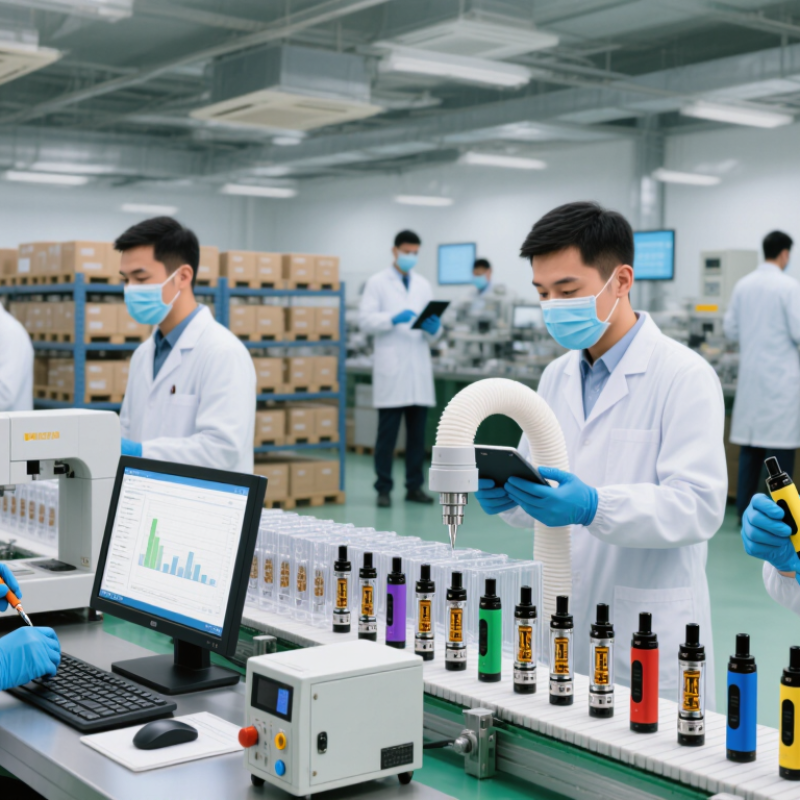
How Does China Ensure Disposable Vape Product Consistency?

China’s Regulatory Framework for Disposable Vape Product Consistency

China’s regulatory framework treats disposable vapes as tobacco-related products, not ordinary consumer electronics. The State Tobacco Monopoly Administration oversees market access, production, wholesale, and retail activities. Manufacturers generally need appropriate licenses and must submit products for technical review. The review examines formulas, additives, nicotine content, emissions, packaging, and device safety under applicable national standards, including GB 41700-2022.

Consistency begins with controlled production records. A compliant factory should match each batch with approved specifications, supplier details, filling data, and inspection results. Regulators can conduct sampling inspections and compare products sold in the market with information filed in the national management system. Physical details matter. A sealed pod, stable output, readable warnings, and secure packaging can reveal whether production controls are working.

Still, paperwork can look cleaner than reality. Small variations in heating components may change vapor volume or taste. Storage temperature can also affect liquid performance before distribution. This is where factory testing, independent verification, and traceable complaints become valuable. China’s framework provides structure, but enforcement quality may differ between facilities. Records require honest maintenance. Sampling cannot represent every unit. Continuous audits and careful supplier checks remain necessary for reliable disposable vape consistency.

Standardizing Materials, Components, and Manufacturing Processes

How Does China Ensure Disposable Vape Product Consistency?

China supports disposable vape consistency by standardizing materials, components, and production procedures. Manufacturers define approved specifications for batteries, heating elements, seals, sensors, and outer shells. Incoming materials are checked for size, resistance, leakage risk, and surface defects. A component may look identical but perform differently under heat. That is why measured data matters more than appearance.

Production lines use controlled assembly steps. Workers and machines follow fixed settings for filling volume, welding pressure, heating-element placement, and airflow testing. Each batch receives records showing material codes, equipment settings, inspection results, and operator details. Traceability makes problems easier to locate. It also supports quality reviews under applicable safety requirements. Still, consistency is never automatic. Humidity, storage time, and small assembly changes can affect performance. Some factories discover these issues only after reviewing complaint patterns.

Tips: Keep one clear specification sheet for every component. Test samples at the beginning, middle, and end of each batch. Check seal alignment closely. It is easy to miss. Use calibrated instruments, not visual judgment alone. Review failed samples without hiding inconvenient results. A clean report is useful, but an honest report is safer. Regular supplier audits and process training also help prevent gradual quality drift.

How Does China Ensure Disposable Vape Product Consistency? - Standardizing Materials, Components, and Manufacturing Processes

Consistency Dimension Standardized Requirement or Control Data Manufacturing and Verification Method Consistency Benefit
Regulatory Formula Control For products sold in mainland China, GB 41700-2022 limits nicotine concentration to no more than 20 mg/g and defines requirements for electronic-cigarette products and e-liquids. Formula approval, controlled ingredient lists, calibrated weighing, batch records, and laboratory testing of nicotine concentration. Reduces variation in nicotine strength and helps prevent unauthorized formulation changes.
Base Liquid Materials Propylene glycol, glycerol, nicotine, and permitted flavoring substances must meet the applicable specification for purity, identity, and intended use. Incoming-material inspection includes supplier documentation, lot identification, appearance checks, identity testing, and laboratory release testing where required. Improves flavor stability, viscosity control, aerosol formation, and batch-to-batch reproducibility.
Flavoring and Additive Management Each flavoring substance is assigned a controlled material code, approved dosage range, storage condition, and shelf-life requirement. Electronic weighing systems, recipe locking, lot segregation, and documented line-clearance procedures are used during blending. Prevents cross-contamination, incorrect dosing, and unintended flavor differences.
Heating Coil or Mesh The heating element is controlled by material type, resistance specification, dimensions, weld quality, and position relative to the wick or liquid reservoir. Automated resistance measurement, visual inspection, dimensional checks, and sampling tests for heating response and electrical continuity. Helps maintain consistent heating temperature, vapor production, flavor delivery, and battery load.
Battery and Protection Circuit Cell type, nominal voltage, capacity, protection components, charging limits, and electrical interfaces are defined in the approved product specification. Voltage, capacity, internal resistance, polarity, short-circuit protection, overcharge protection, and over-discharge protection are checked according to the applicable safety requirements. Provides more consistent activation behavior, operating time, and electrical safety performance.
Reservoir, Wick, and Internal Materials Materials exposed to e-liquid or aerosol are selected for chemical compatibility, dimensional stability, cleanliness, and suitability for the intended application. Material certificates, dimensional inspection, visual cleanliness checks, and compatibility or extractables testing are used when specified by the product or destination-market requirements. Reduces swelling, deformation, contamination, and changes in liquid delivery.
Liquid Filling Accuracy Target fill mass or volume, allowable tolerance, filling temperature, and nozzle parameters are defined in the controlled process specification. Gravimetric checks, automatic filling equipment, periodic calibration, and sampling at the beginning, middle, and end of a production batch. Keeps liquid quantity, product lifespan, and nicotine delivery more uniform.
Leakage and Airflow Sealing design, airflow path, gasket dimensions, and the product-specific leakage limit are defined before mass production. Pressure-decay, vacuum, visual, or orientation-based leak tests are performed using calibrated fixtures. Airflow may be checked with a controlled flow meter. Reduces e-liquid leakage and maintains a more consistent draw resistance.
Activation and Output Performance Activation time, puff response, heating duration, aerosol output, and nicotine delivery are evaluated against the approved product specification and applicable market requirements. Functional testing uses controlled puffing conditions, electrical measurement, weight-loss measurement, and laboratory analysis where required. Links material and component controls to the actual user experience.
Assembly and Environmental Controls Assembly sequence, cleanliness requirements, adhesive or welding parameters, storage temperature, humidity, and electrostatic-discharge controls are documented. Work instructions, operator qualification, in-process inspections, controlled workstations, and equipment maintenance records are used. Limits variation caused by incorrect assembly, contamination, moisture, or static discharge.
Final Inspection and Sampling Finished products are checked against approved requirements for appearance, dimensions, labeling, activation, leakage, packaging, and electrical performance. Factories commonly combine 100% visual or functional checks with statistically based sampling plans, such as ISO 2859-1 when specified by the quality agreement. Detects both individual defects and wider process trends before shipment.
Batch Traceability Each finished batch is linked to material lots, equipment, production time, inspection results, and packaging records. Barcode or batch-code systems, electronic manufacturing records, retained samples, and documented release approval are used. Makes it possible to identify the source of variation and conduct targeted corrective action or recall.
Change and Supplier Management Changes to materials, suppliers, formulas, components, equipment, or process parameters require documented review and approval. Risk assessment, sample validation, comparative testing, first-article approval, and updated technical documentation are completed before routine production. Prevents unverified substitutions from changing product performance or safety characteristics.

Note: GB 41700-2022 applies to the mainland China market. Export products may be subject to additional or different requirements in the destination market. Product-specific tolerances are normally defined in approved technical specifications rather than by one universal value for every disposable vape product.

Quality Control Checks Across Disposable Vape Production

Disposable vape consistency depends on controlled checks, not appearance alone. Incoming teams verify e-liquid identity, nicotine concentration, battery cells, seals, and heating components. Each lot receives a traceable code. Operators also inspect tank dimensions and mouthpiece fit with calibrated gauges. Small errors matter.

During filling, gravimetric systems compare target weight with actual weight. Laboratories then test nicotine strength using validated chromatographic methods. Leak testing follows filling and assembly. Electrical checks measure resistance, charging behavior, activation time, and short-circuit protection. ISO 20768:2018 provides a standardized approach for routine aerosol generation, helping laboratories compare output under controlled conditions. The 2018 National Academies report also noted that nicotine delivery can vary with device design, power, and user behavior. Consistent hardware therefore needs consistent testing.

Finished units undergo sampling inspections for airflow, aerosol output, packaging accuracy, and physical damage. Retained samples support later investigations. Corrective and preventive action records should connect defects to specific materials, machines, and shifts. The 2023 CDC National Youth Tobacco Survey reported 1.63 million U.S. students currently using e-cigarettes, showing why manufacturing controls deserve serious oversight. Yet a checklist can still miss a slow seal failure. Human review remains necessary. Quality teams should challenge their own sampling plans, audit calibration records, and recheck unusual results rather than quietly accepting averages.

Testing, Traceability, and Batch-Level Product Verification

Consistency in disposable vape production depends on evidence, not appearance.

Each batch should receive a unique code, production timestamp, material record, and laboratory release status. Operators can compare nicotine concentration, liquid volume, aerosol output, leakage, airflow, and battery performance against approved specifications. CORESTA Recommended Method No. 81 provides a technical framework for collecting and assessing e-cigarette aerosol. However, testing methods can still produce variation between laboratories. That limitation deserves attention.

Traceability links every finished unit to its components and process conditions. A serialized code can connect the device with its coil, battery, e-liquid lot, operator, and inspection results. ISO 2859-1 sampling plans help define inspection levels, but sampling never replaces process control.

The WHO 2023 global tobacco report estimates 1.3 billion tobacco users worldwide; this figure is not a vape-quality metric, yet it shows why transparent manufacturing controls matter. A missing record can become a serious blind spot.

Tips: Keep retained samples from every batch. Test them after storage, not only before shipment. Review outliers instead of deleting them. Clear certificates of analysis should show test methods, units, limits, and laboratory dates. A practical audit also checks barcode readability, package seals, and reconciliation between produced and shipped quantities. No system is flawless. Human recording errors, instrument drift, and supplier changes can still affect consistency. Independent verification adds credibility, especially when results differ from internal testing.

How Manufacturers Manage Defects and Maintain Consistent Output

How Manufacturers Manage Defects and Maintain Consistent Output

Consistent disposable vape production begins with controlled materials and repeatable assembly steps. Manufacturers verify battery capacity, liquid volume, coil resistance, and airflow before production starts. Each batch receives a traceable code, linking components to inspection records. This supports accountability and faster investigations when defects appear.

Production teams use calibrated equipment to check charging behavior, leakage, draw activation, and vapor output. Operators also inspect seals and mouthpieces under bright lighting. A small gap can cause leakage during transport. Defective units are isolated, tested again, and documented instead of being quietly returned to the line. This approach protects product reliability and supports quality requirements in approved markets. Still, no factory catches everything. Human judgment can vary during busy shifts.

Tips: Use statistical sampling, not visual checks alone. Compare results with defined limits. Record recurring defects by time, machine, and supplier. Review complaints with production data. Clean testing fixtures regularly. Small habits matter.

Experienced teams study patterns rather than treating every failure as a separate event. For example, rising resistance variation may indicate worn equipment or inconsistent coil materials. Corrective action can include recalibration, supplier review, or a temporary production hold. Independent audits add useful pressure, although audits cannot replace daily discipline. The process is never perfect. Continuous review keeps output closer to the intended standard.

FAQS

How is consistency maintained across disposable vape production?

Manufacturers define specifications for batteries, heating elements, seals, sensors, shells, and other components. Measured performance matters more than appearance.

What materials receive inspection before assembly?

Teams check dimensions, resistance, leakage risk, surface defects, formulation identity, and concentration. Small differences can affect heat and airflow.

How are filling volumes controlled?

Gravimetric systems compare target weight with actual weight. Each batch should record results. Weight errors are easy to overlook.

Which electrical checks are commonly performed?

Inspectors measure resistance, activation time, charging behavior, and short-circuit protection. These tests need calibrated instruments, not visual judgment.

How are leaks detected?

Units undergo leak testing after filling and assembly. Inspectors examine seal alignment closely. A tiny gap may cause later failure.

Why are batch records important?

Records connect materials, equipment settings, inspection results, operators, and production shifts. This traceability helps locate defects faster.

How is aerosol output compared between devices?

Laboratories use controlled testing methods for aerosol generation. Output can vary with design, power, and user behavior, so testing needs consistency.

Can sampling inspections find every defect?

No. A checklist may miss a slow seal failure or unusual heating change. Quality teams should review complaints and challenge sampling plans.

What happens when a batch fails inspection?

Teams should isolate affected units, identify the material or process cause, and document corrective actions. Hiding inconvenient results creates bigger risks.

Why do storage conditions matter?

Humidity, storage time, and small assembly changes can alter performance. Production records may look clean, yet real-world conditions still expose weaknesses.

Conclusion

China supports consistent disposable vape production through a structured framework that combines technical standards, factory controls, and documented quality procedures. Manufacturers typically standardize approved materials, battery specifications, heating elements, reservoirs, electronic components, and assembly methods so that each unit follows the same design and performance requirements. Clear operating instructions, trained personnel, calibrated equipment, and controlled production environments further reduce variation between batches.

To understand how to ensure product consistency in disposable e cigarettes, manufacturers also rely on inspections throughout production rather than testing only the finished product. Incoming materials are checked for identity and quality, while in-process controls examine assembly accuracy, electrical safety, liquid filling, sealing, appearance, and functional performance. Finished units may undergo sampling tests, aging checks, and safety verification before release. Batch codes, production records, and traceability systems help identify problems quickly. If defects are discovered, manufacturers can isolate affected batches, investigate root causes, correct the process, and verify improvements through follow-up inspections, supporting stable and compliant output over time.

Isabella

Isabella

Isabella is a dedicated marketing professional with a sharp focus on driving brand growth and engagement through strategic content creation. With an extensive background in digital marketing, she combines her passion for storytelling with her keen understanding of industry trends to deliver......