What factors affect disposable e cigarette lifespan? This question is critical for users and manufacturers alike. According to Dr. Sarah Thompson, a leading expert in vaping technology, “The lifespan is influenced by design, materials, and usage patterns.” Understanding these elements can help consumers make informed choices.
Disposable e-cigarettes have become popular due to their convenience. However, the variability in lifespan can be surprising. Factors like battery quality, e-liquid composition, and heating elements directly impact how long these devices last. Higher quality materials often mean longer-lasting products.
User habits also play a role. Frequent puffing can drain batteries faster. Yet, many users may not consider how these habits affect their product lifespan. While there is a general consensus on contributing factors, nuances remain. This makes exploring the lifespan of disposable e-cigarettes an ongoing discussion in the industry.
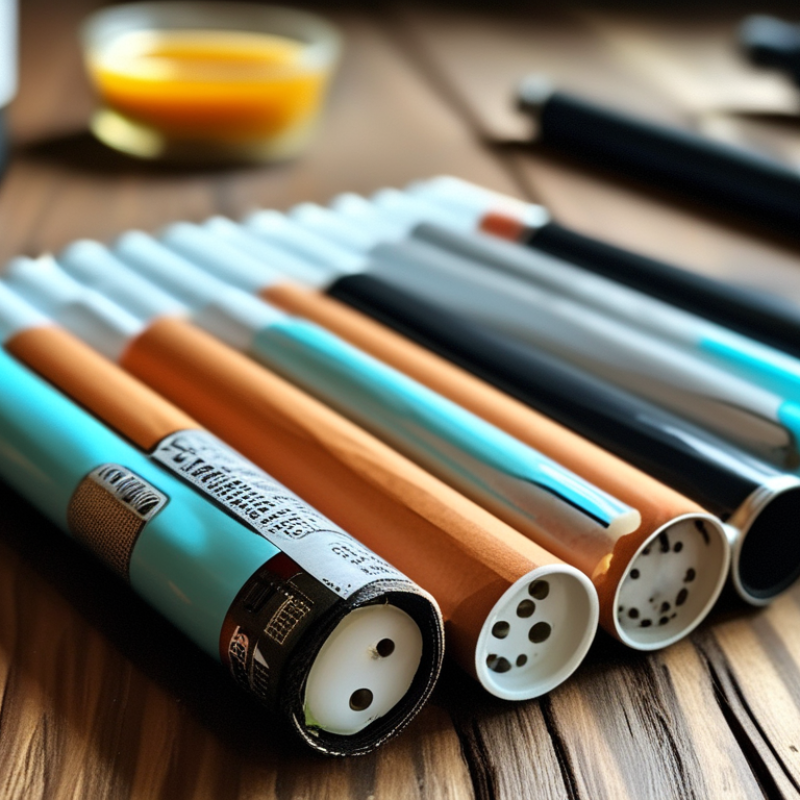
The lifespan of disposable e-cigarettes is influenced by key components. These include the e-liquid, battery quality, and overall design. The e-liquid concentration affects how long the device lasts. Higher nicotine levels can lead to quicker consumption, decreasing lifespan. Users often overlook this factor, leading to frequent replacements.
Battery performance plays a critical role. A low-quality battery may drain faster. Users should be mindful of how many puffs they take. Overusing the device can cause overheating, impacting battery longevity.
Tip: Store your disposable e-cigarettes at room temperature. Extreme heat or cold can affect the battery and e-liquid viscosity.
The design is another factor. Devices with efficient airflow systems tend to use e-liquid more sparingly. However, some products do not balance airflow well, leading to waste. It's essential to consider how design impacts usage.
Tip: Choose devices that offer adjustable airflow. This feature can help manage your consumption better.
Awareness of these components can improve your experience and potentially enhance the lifespan of your device.
The quality of the battery is a key factor in determining the lifespan of disposable e-cigarettes. Research shows that lithium-ion batteries—commonly used in these devices—differ widely in performance. For instance, a report by the Battery University indicates that average battery lifespans can range from 300 to 500 charge cycles. This variation directly affects usage time and overall reliability.
Poor-quality batteries might last only a few hours of continuous use. In contrast, higher-grade batteries can sustain longer durations, often exceeding 1,000 puffs. According to industry data, e-cigarettes with premium batteries typically last 20-30% longer. This increase is crucial for users seeking a consistent vaping experience.
It's essential to recognize that battery longevity is not solely about capacity. Manufacturing defects can affect performance. A report by the Consumer Product Safety Commission revealed that poorly constructed batteries accounted for a notable percentage of e-cigarette malfunctions. This implies that even reputable devices might have hidden flaws, prompting caution among consumers. By prioritizing battery quality, users can significantly enhance their experience while minimizing risks.
The composition of e-liquid plays a crucial role in determining the lifespan of disposable e-cigarettes. Various ingredients, such as propylene glycol, vegetable glycerin, nicotine, and flavorings, affect performance. For instance, higher levels of glycerin can enhance vapor production but may also lead to faster coil degradation. A well-balanced mixture can optimize efficiency and longevity.
Flavoring agents also impact lifespan. Some flavors are more aggressive, causing faster wear on the device. This means that users who prefer more intense flavors may find their e-cigarettes lasting shorter. Furthermore, the purity of the ingredients matters. Impurities can clog the coils quicker, reducing the overall usability of the product.
Understanding these factors can help users make informed choices. However, the variety of e-liquids available can be overwhelming. Experimentation is often necessary to find a blend that suits individual preferences while maximizing lifespan. Users should remain conscious that a perfect e-liquid does not exist. It's a process of trial and error, balancing flavor satisfaction against the device's longevity.
Disposable e-cigarettes, while popular, face various environmental challenges impacting their lifespan. Temperature fluctuations, for instance, can severely diminish battery efficiency. A report by the American Journal of Public Health noted that higher temperatures accelerate battery degradation. Similarly, exposure to direct sunlight can lead to rapid evaporation of e-liquid, reducing the device's usability. Proper storage conditions greatly affect the longevity of these products.
Humidity levels also play a crucial role. High moisture can lead to condensation inside the device, risking potential electronic failures. Data from industry studies show that devices stored in humid environments fail 30% sooner than those in optimal conditions. Additionally, air quality can impact lifespan. Pollutants can clog airflow passages and lead to performance issues. Awareness of these factors is essential for users and manufacturers alike, as many disposable e-cigarettes fail to meet expected lifespans.
While manufacturers can strive for better design to mitigate these issues, user habits significantly affect durability. Users often overlook the importance of storage and handling. A thoughtful approach to usage and environmental conditions can extend the lifespan of disposable e-cigarettes, fostering a more sustainable experience. Addressing these factors is critical in an industry increasingly scrutinized for its environmental impact.
User habits play a crucial role in determining the lifespan of disposable e-cigarettes. The frequency of use is a major factor. Those who vape regularly may find their devices depleting faster. In contrast, occasional users might extend the life of their e-cigarettes. Understanding your vaping routine can significantly impact how long your device lasts.
Another important aspect is charging habits. Some users tend to overcharge their e-cigarettes, which can lead to reduced battery performance. Ideally, devices should be charged to optimal levels without being left plugged in for too long. This simple habit can preserve battery longevity and improve overall performance. Regularly checking the charge can help in maintaining the device’s efficiency.
Finally, storage conditions matter significantly. Exposure to heat or moisture can accelerate wear. Storing e-cigarettes in a cool, dry place can help in safeguarding their lifespan. Reflecting on these habits is essential. Small changes can lead to improved performance and a longer-lasting device. Each user’s approach can lead to different outcomes in lifespan, highlighting the importance of mindful usage.
: Key factors include e-liquid concentration, battery quality, and overall design.
Higher nicotine levels lead to quicker consumption, resulting in a shorter lifespan.
A low-quality battery drains faster, reducing overall usage time and reliability.
Batteries can last from a few hours to over 1,000 puffs, depending on quality.
Temperature fluctuations, humidity, and air quality can all reduce device lifespan.
Keep them at room temperature away from extreme heat or cold for better longevity.
Efficient airflow systems can reduce e-liquid waste and enhance overall usage experience.
Overlooking storage conditions and ignoring battery quality can lead to premature failures.
Manage airflow, monitor puff count, and store devices properly for better durability.
No, some devices may have hidden manufacturing defects that affect performance.
The lifespan of disposable e-cigarettes is influenced by several key factors. First, the quality of the battery plays a significant role; higher quality batteries tend to provide longer usage times. Secondly, the liquid composition also impacts longevity, as different ingredients can affect the rate of consumption and overall efficiency. Environmental factors, such as temperature and humidity, can further alter how long these devices last.
Additionally, user habits significantly determine how long a disposable e-cigarette can be used. Frequent puffs or extended inhalation can deplete the device more quickly, while mindful usage can help extend its lifespan. Understanding what factors affect disposable e-cigarette lifespan is essential for users aiming to maximize their experience and efficiency.

Kizz Vape