
The global e-cigarette market has shifted dramatically from basic disposable formats to highly optimized, sustainable, and rechargeable pod systems. In the pursuit of superior user experience, hardware engineers identified physical charging ports (USB-C/Micro-USB) as persistent points of failure. Port contamination, water ingress, pocket lint build-up, and mechanical degradation have long limited the overall reliability of premium devices.
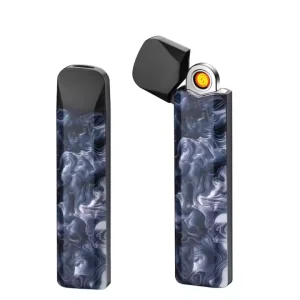
To counter these weaknesses, wireless charging technology has emerged as the premier solution for next-generation vape pens. By utilizing electromagnetic induction, modern vaporizers can achieve absolute enclosure sealing. This development not only enables robust water resistance (IP67/IP68 rating) but also elevates the aesthetic value of devices, making them align with high-tech consumer electronics such as smart watches and premium earbuds.
Adapting wireless charging interfaces to the compact dimensions of a vape pen requires high-precision mechanical layouts and advanced electronics engineering. Conventional wireless chargers operate via the Qi standard, which uses low-frequency magnetic fields (usually between 110 and 205 kHz). Integrating this capability into vape products introduces three primary challenges:
Due to the cylindrical or flat-pod form factor, the receiver (Rx) coil must be extremely thin (often <0.5mm) and flexible. Engineers utilize custom copper winding configurations or Flexible Printed Circuits (FPC) with ferrite shielding sheets to prevent magnetic flux interference with the internal battery cells.
Inductive charging generates secondary heat on both the receiver coil and the power management IC (PMIC). Excessive heat could degrade e-liquid flavor and composition. Advanced vape designs isolate the charging circuit from the reservoir and implement graphene heat sinks to control temperatures.
Proper alignment between the transmitter (Tx) coil on the charging pad and the receiver (Rx) coil on the pen is critical. Integrating rare-earth neodymium magnets in a specific ring array ensures the device snaps perfectly into place, optimizing coupling efficiency and minimizing power loss.
| Feature Parameter | Standard Type-C Wired Connection | Magnetic Inductive Wireless (Standard) | Advanced Qi-Compatible Smart Charging |
|---|---|---|---|
| Charging Interface Type | Physical Copper Contacts (Female Port) | Contactless Inductive Coil Assembly | Qi-Standard Magnetic Resonance Array |
| Waterproof / Dustproof Capability | IP54 (Susceptible to liquid accumulation) | IP67 (Fully Sealed Battery Cavity) | IP68 (Hermetically Sealed Solid Enclosure) |
| Mean Time Between Failures (MTBF) | ~5,000 insertion cycles | Infinite (Contactless execution) | Infinite (Dynamic alignment mechanism) |
| Average Dynamic Efficiency | ~92% to 95% | ~72% to 78% | ~80% to 85% with optimized frequency shifting |
| Average Charging Temperature | 28°C - 35°C | 35°C - 42°C (Requires shielding insulation) | 32°C - 38°C (Monitored by onboard MCU) |
Shenzhen Kizz Vape Co., Ltd. stands at the forefront of China's premium disposable e-cigarette and advanced vape engineering industry. Located in Shenzhen, the global epicentre of vaping innovation, Kizz Vape excels in the research, development, and production of premium disposable devices and advanced charging architectures.
Factory Insight: By deploying automated high-speed SMT lines, ISO-certified cleanrooms, and strict quality control matrices, Shenzhen Kizz Vape Co., Ltd. delivers premium disposable e-cigarettes, high-puff devices, nicotine salt hardware, and fully customized OEM/ODM vape solutions. Their comprehensive R&D pipeline integrates next-gen thermal management and wireless receiver modules directly into consumer-ready form factors.
Kizz Vape's facilities utilize state-of-the-art testing systems, including vacuum pressure tests, salt spray corrosion tests for outer shells, battery drop-impact tests, and precise thermal profile mapping to ensure every device complies with international regulations such as CE, RoHS, FCC, and the European TPD. By building long-term alliances with global distributors and brand owners in North America, Europe, and Southeast Asia, the factory consistently maintains a strong competitive advantage in high-performance hardware supply chains.
Understanding user intent across different regions reveals diverse applications for wireless charging vapes. Instead of a single global approach, top brands customize their hardware features to align with specific regional regulations and lifestyle preferences.
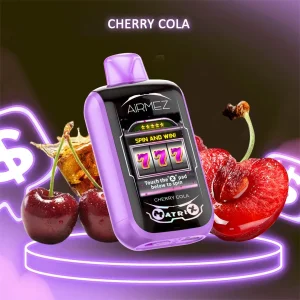
In the US and Canada, vaporizers are increasingly treated as lifestyle tech products. Users prefer systems that fit into their existing tech setups, such as charging on the same desk mat or bedside stand as their smartphone. High-capacity, rechargeable smart-screen vapes dominate this market.
In the EU, strict 2ml e-liquid capacity limits demand smaller, highly efficient hardware. Closed pod devices with wireless charging are popular because they can use smaller internal batteries without sacrificing battery life, as recharging is quick and convenient.
High-end lounges, clubs, and hotels are introducing designated vape charging bays. Multi-device magnetic charging docks allow venues to offer convenient, contactless charging stations, enhancing the overall guest experience.
The next decade will see vape hardware become increasingly integrated, intelligent, and environmentally conscious. Standard lithium-ion batteries are expected to be replaced by solid-state batteries, which offer higher energy density and eliminate thermal runaway risks during fast inductive cycles.
For global brands looking to launch a wireless charging product line, choosing a manufacturing partner requires careful evaluation of their engineering and quality control standards. Developing high-quality wireless vaporizers requires specialized equipment that goes beyond standard assembly lines.
Precision placement of the receiver IC and protective diode arrays on ultra-compact PCBs. Advanced machinery ensures that internal components stay properly aligned during assembly, avoiding failures from drop impacts.
Using spectrum analyzers and electromagnetic testers to confirm the coil's induction efficiency. This process checks for shielding leaks, ensuring that electromagnetic emissions stay well within international safety limits.
Thermal insulation testing ensures that heat generated during wireless charging doesn't raise the temperature of the e-liquid chamber by more than 3°C, protecting the purity and flavor of the e-liquid.
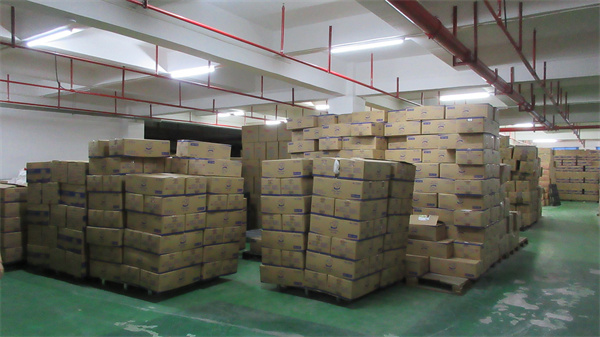
Take an inside look at the advanced manufacturing environment where we assemble, test, and ship our high-end vaporizers worldwide. We maintain the highest standards of cleanliness and quality control at every stage of production.



 Kizz Vape