Explore our top safety-driven and precision-engineered products, from advanced high-puff devices to sterile cleanroom components.
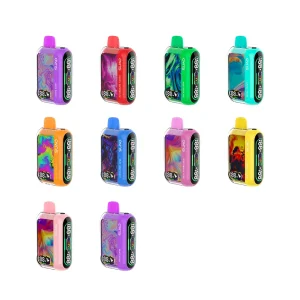

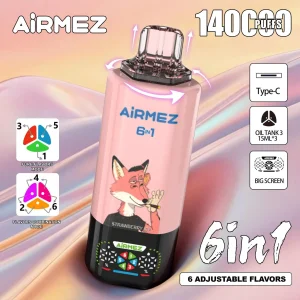
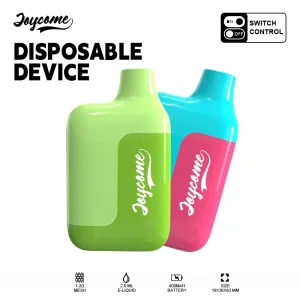

Shenzhen Kizz Vape Co., Ltd. is a professional China disposable vape manufacturer specializing in the research, development, production, and global distribution of premium disposable e-cigarettes and advanced vape solutions. Located in Shenzhen, the world's leading hub for vaping innovation, Kizz Vape is committed to delivering high-quality, reliable, and user-friendly vaping products to customers worldwide.
With a strong focus on innovation and product excellence, Kizz Vape offers a comprehensive portfolio of disposable vaping devices, including rechargeable disposable vapes, high-puff disposable e-cigarettes, nicotine salt devices, mesh coil disposable vapes, and customized OEM/ODM vape solutions. The company's products are designed to provide exceptional flavor performance, smooth vapor production, and long-lasting user satisfaction.
Kizz Vape operates modern manufacturing facilities equipped with advanced automated production lines and strict quality control systems. Every product undergoes rigorous testing throughout the manufacturing process to ensure consistent quality, safety, and compliance with international standards. The company continuously invests in research and development to introduce innovative technologies, stylish designs, and enhanced vaping experiences that meet the evolving demands of global consumers.
Serving clients across Europe, North America, the Middle East, Southeast Asia, and other international markets, Kizz Vape has established long-term partnerships with distributors, wholesalers, and brand owners worldwide. Backed by a dedicated professional team, responsive customer service, and flexible customization capabilities, the company strives to help partners strengthen their market competitiveness.

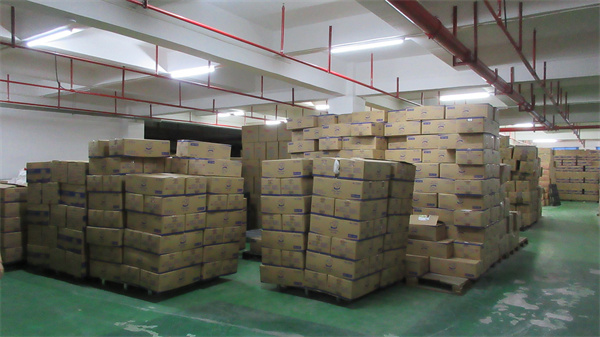
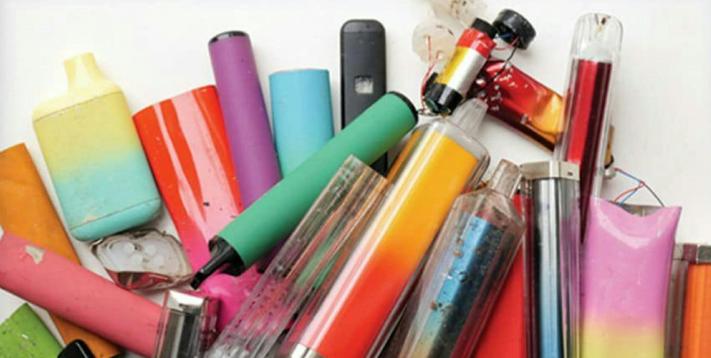
Analyzing regulatory shifts, market requirements, and advanced engineering practices transforming the global e-cigarette sector.
Regulatory frameworks such as the FDA's PMTA in the US and the European Union's TPD mandate absolute transparency in raw material safety, child-resistant packaging, and strict control of electrical hardware pathways.
Commercial stakeholders are shifting away from baseline OEM products. High-performance microchips, smart puff counters, temperature threshold controls, and dual-action mechanical locks are now minimum market thresholds.
Unregulated battery units present explosive hazards under excessive load or high heat. Advanced manufacturers utilize premium lithium-cobalt oxides (LiCoO2) coupled with active short-circuit protection circuits.
Designing modern vaporization hardware is no longer just about optimizing airflow and battery duration. To secure entry into highly regulated consumer spaces, an electronic nicotine delivery system (ENDS) must integrate multiple levels of safety. Our manufacturing practices prioritize critical hardware redundancies to prevent potential mechanical failures:
Shenzhen's Bao'an district remains the undisputed global capital of vapor production, producing over 90% of the world's vaping hardware. The advantages of centralizing design, tooling, and final assembly within this zone include:
First, unparalleled supply-chain proximity. Silicon chips, custom food-grade polymers, high-performance battery cells, and CNC-milled structural metals are sourced within a 15-kilometer radius. This structural advantage reduces prototyping iterations from months to days. Second, integrated automated production lines. Automation minimizes human error in delicate assembly procedures, such as mesh coil welding and automated cotton soaking. By deploying automated optical inspection (AOI) systems, factories can identify micro-fissures in liquid tanks and deviations in solder points long before the devices reach the shipping dock.

Global brands sourcing from Chinese factories must understand localized regulatory differences to navigate import procedures successfully:
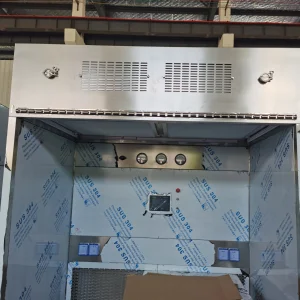
When selecting a manufacturing partner, procurement managers must evaluate criteria beyond unit price. An effective evaluation scorecard should measure: quality management systems (ensuring ISO 9001 and ISO 14001 certifications are active), cleanroom standards (demanding Class 100,000 or Class 10,000 laminar flow zones for open liquid filling), battery cell sourcing (insisting on trace-certified UN38.3 lithium cells), and material testing (ensuring clean analytical test results for heavy metals and plasticizers in all food-contact components).
Addressing standard engineering inquiries, compliance standards, and supply-chain logistics for B2B vape device procurement.
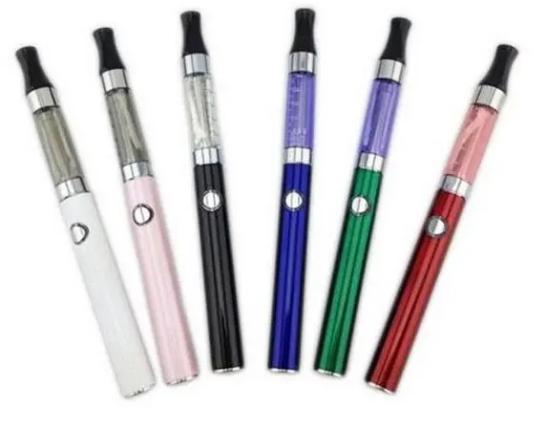
Review our additional range of consumer hardware, components, eco-friendly cups, and shop security solutions.
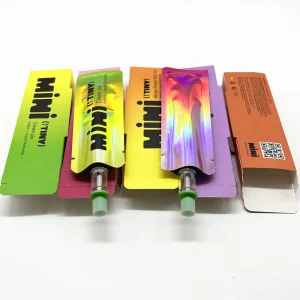




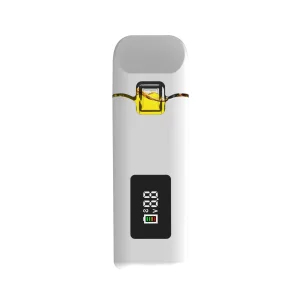

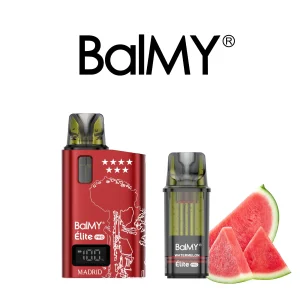
 Kizz Vape