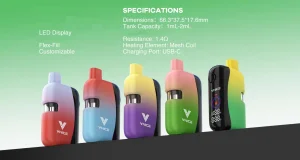
Explore our elite portfolio of compact vaporization hardware, integrated components, and specialized industrial tools.
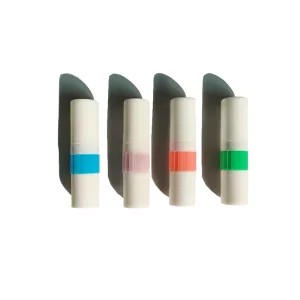
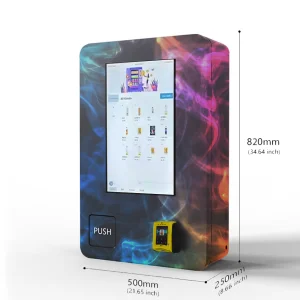
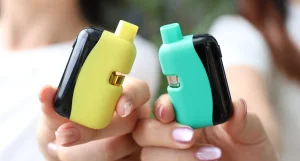
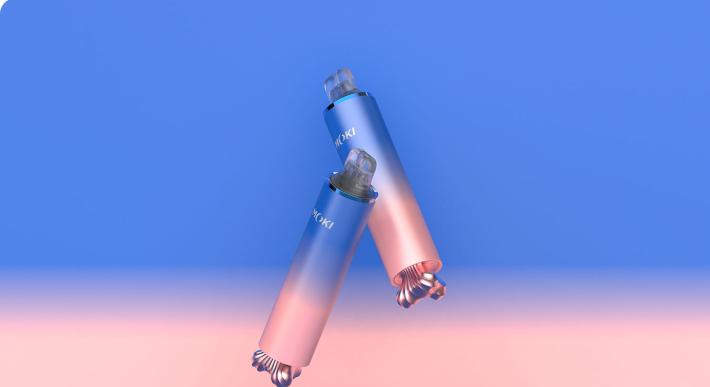
In the highly dynamic landscape of electronic nicotine delivery systems (ENDS), the global shift towards compact flavor vapes represents a major technological leap. Modern B2B buyers and brand developers are no longer looking for bulky, high-voltage vaporizers. Instead, they demand highly integrated, pocket-friendly hardware that delivers excellent flavor profile translation, leak-proof designs, and long-lasting battery efficiency.
A compact flavor vape is defined by its architectural integration. By optimizing internal space, engineers have combined the battery compartment, airflow chamber, microfluidic channels, and heating element into a singular, highly efficient chassis. This evolution relies heavily on modern heating technology. While early disposable devices used simple silica wicks wrapped with nichrome coils, contemporary systems use advanced micro-porous ceramic heating matrices. These ceramic structures are engineered at the sub-micron level, allowing for even capillary liquid draw and precise temperature control. As a result, the device eliminates localized overheating (dry hits) and preserves the intricate flavor molecules of complex nicotine salt and freebase formulations.
Porous ceramic heating grids operate with optimized thermal consistency. This prevents chemical degradation of PG/VG and safeguards flavor purity.
Multiple condensation traps and labyrinth-style airflow paths redirect condensed e-liquid back to the wick, ensuring clean draw cycles.
Advanced space-saving internal designs and customized structural layouts pack larger battery capacities and fluid reservoirs into ultra-thin profiles.
The efficiency of flavor vaporizers depends on the kinetics of micro-capillary liquid delivery. The porous ceramic heating element features an internal network of interconnected pores with diameters ranging from 10 to 30 micrometers. This structure provides a controlled, steady draw of e-liquid. When power is applied, the heat distributes evenly across the ceramic face, heating the e-liquid uniformly. This precise temperature profile is essential for modern nicotine salt formulations. These formulations combine benzoic acid with freebase nicotine to lower pH, providing a smooth throat hit even at high nicotine concentrations. Without precise thermal control, this compound can break down, leading to a harsh inhale and degraded flavor profiles.
For international vape brands, distributors, and bulk purchasers, selecting a manufacturing partner in China is a major strategic decision. Procurement teams must navigate complex, country-specific regulations while securing competitive pricing, high quality, and consistent supply. The global regulatory landscape is highly fragmented, with strict rules governing the sale and import of electronic nicotine delivery systems.
| Region / Regulatory Body | Compliance Standard | Core Technical Mandates | Impact on OEM Hardware Design |
|---|---|---|---|
| United States (US FDA) | PMTA (Premarket Tobacco Application) | Comprehensive chemical analysis of aerosols, battery safety documentation, and HPHC tracking. | Requires highly stable, traceably certified battery cells and tamper-proof e-liquid reservoirs. |
| European Union (EU Member States) | TPD (Tobacco Products Directive) Article 20 | Strict 2.0ml e-liquid capacity limit, maximum 20mg/ml nicotine limit, and child-resistant design. | Demands precision-engineered tank chambers and child-proof lock mechanisms. |
| United Kingdom (MHRA) | TRPR (Tobacco and Related Products Regulations) | Detailed product emission reporting and ingredient notification portal entry. | Requires verified emission profiling and testing of heavy metal content in aerosol testing laboratories. |
| Global Standards | CE, RoHS, FCC, UN38.3 | Hazardous substances limits (lead, mercury, cadmium), electromagnetic shielding, and battery transit safety. | Mandates lead-free solder, certified circuit board configurations, and impact-resistant battery mounting. |
To reduce supply chain risks, modern procurement managers should look for factories that provide comprehensive testing documentation. This includes raw material traceability certificates, heavy-metal-free component reports, and battery cell certificates (such as UL1642 and IEC62133). Furthermore, partners must ensure cleanroom assembly lines that prevent foreign particulate contamination, safeguarding the shelf-life and chemical purity of the e-liquid.
Shenzhen, China, is the global heart of the electronic atomization industry. Over 90% of the world's vaping hardware is designed, engineered, and manufactured within the Bao'an District. This concentration forms a highly efficient industrial ecosystem. A vape factory in Shenzhen does not operate in isolation; it sits at the center of an immediate, comprehensive supply chain. From raw lithium ore processing and CNC precision metal machining to food-grade PCTG injection molding and specialized flavor extraction, every component is sourced within a two-hour shipping radius.
This geographic concentration creates unmatched supply chain resilience. During periods of fluctuating global demand, raw material shortages, or shipping bottlenecks, Shenzhen factories can adjust production schedules far faster than international competitors. When a brand owner requests a custom shell design or a modified airflow path, prototype iterations can be drafted, 3D printed, CNC machined, and tested within a matter of days, rather than weeks.
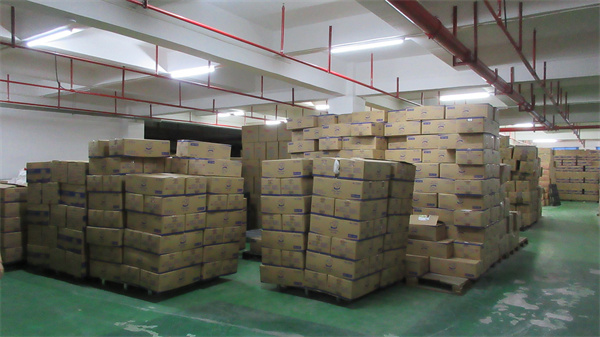
To maintain consistent quality while operating at high volume, top factories implement automated production lines. China's Factory 4.0 initiative has transformed vape assembly from manual labor to high-precision automation. Advanced automated lines perform e-liquid filling, ultrasonic welding, wire soldering, and final functional tests with minimal human intervention. Optical sensors scan every assembly step to ensure zero liquid leakage, correct coil resistance, and secure electrical connections. This level of process control minimizes human error, resulting in a defect rate below 0.05%—a vital benchmark for protecting a brand's reputation in international consumer markets.
Consumer behavior and regional regulations differ significantly around the world. Successful global brands must adjust their product strategies to meet the specific demands of each regional market.
In the United States and Canada, consumer demand centers on high-capacity, rechargeable disposable devices. Users expect devices that deliver thousands of puffs, supported by USB Type-C fast charging. Flavor profiles in this region skew toward intense, sweet dessert and fruit formulations. This requires heating coils that can handle high sugar loads without caramelizing and burning. To meet this need, factories utilize multi-layered mesh coils that provide a larger surface heating area, maintaining consistent flavor delivery over long lifecycles.
The European landscape is strictly defined by the TPD's 2ml reservoir cap. As a result, factories focus on optimizing flavor efficiency within this limit. Manufacturers use high-resistance micro-ceramic coils that vaporize small amounts of liquid while maintaining excellent flavor fidelity and high nicotine transfer efficiency. Because European consumers prefer subtle, balanced flavor profiles with lower sweetness, devices are engineered with tighter, restricted air draws (MTL - Mouth to Lung) to simulate the feel of traditional smoking.
In regions like the Middle East and Southeast Asia, ambient temperatures and humidity levels can cause low-quality vape hardware to leak or malfunction. To counter this, devices designed for these markets use specialized seal rings, denser organic cotton pads, and high-temp-resistant plastics. These features prevent structural deformation and e-liquid thinning under high heat. In these regions, flavors like mint, mango, and local tobacco variants are highly popular, requiring vapes tuned to deliver crisp, cooling sensations.
Shenzhen Kizz Vape Co., Ltd. is a professional China disposable vape manufacturer specializing in the research, development, production, and global distribution of premium disposable e-cigarettes and advanced vape solutions. Located in Shenzhen, the world's leading hub for vaping innovation, Kizz Vape is committed to delivering high-quality, reliable, and user-friendly vaping products to customers worldwide.
With a strong focus on innovation and product excellence, Kizz Vape offers a comprehensive portfolio of disposable vaping devices, including rechargeable disposable vapes, high-puff disposable e-cigarettes, nicotine salt devices, mesh coil disposable vapes, and customized OEM/ODM vape solutions. The company's products are designed to provide exceptional flavor performance, smooth vapor production, and long-lasting user satisfaction.
Kizz Vape operates modern manufacturing facilities equipped with advanced automated production lines and strict quality control systems. Every product undergoes rigorous testing throughout the manufacturing process to ensure consistent quality, safety, and compliance with international standards. The company continuously invests in research and development to introduce innovative technologies, stylish designs, and enhanced vaping experiences that meet the evolving demands of global consumers.
Serving clients across Europe, North America, the Middle East, Southeast Asia, and other international markets, Kizz Vape has established long-term partnerships with distributors, wholesalers, and brand owners worldwide. Backed by a dedicated professional team, responsive customer service, and flexible customization capabilities, the company strives to help partners strengthen their market competitiveness.
Driven by the principles of quality, innovation, and customer satisfaction, Shenzhen Kizz Vape Co., Ltd. aims to become a trusted global partner in the vaping industry by providing premium disposable e-cigarettes and comprehensive vape solutions.

A major differentiator between top-tier manufacturers and low-cost assembly shops is the rigor of their quality management systems (QMS). Premium suppliers operate under ISO 9001:2015 standards for quality management and ISO 13485 for medical device manufacturing guidelines, adapting cleanroom standards to protect the purity of the aerosol generation path.
The manufacturing process begins with incoming inspection. Every shipment of raw materials—from lithium-ion cells and PCTG food-grade plastics to nicotine flavor concentrates—is tested before entering the assembly line. Batteries are checked for voltage stability, capacity consistency, and structural integrity under load. Food-grade plastics are analyzed using gas chromatography-mass spectrometry (GC-MS) to ensure they are free from harmful volatile compounds, ensuring safety when contact is made with organic acids in the e-liquids.
During assembly, automated equipment performs tests at critical points along the line. Vacuum chambers check for micro-leaks under changing atmospheric pressure, simulating air transport. Automated resistance testers confirm that the heating coil matches engineering designs within a tight tolerance of ±0.05 ohms. Finally, finished devices undergo simulation tests on puff machines to check airflow pressure, vapor density, and sensor sensitivity before packaging. This thorough testing cycle ensures that every device shipped meets international standards.
Addressing Key Inquiries from Enterprise Procurement Teams and Brand Partners
For custom OEM branding on existing designs, our standard MOQ is typically 5,000 units per flavor. For custom ODM projects involving new structural designs, plastic tooling, and bespoke PCB programming, the initial MOQ begins at 20,000 units, depending on the complexity of the project.
We ensure compliance by manufacturing hardware specifically limited to a 2.0ml reservoir and design child-resistant lock mechanisms. We also provide full laboratory support for testing emissions and ingredients, helping our brand partners submit accurate notifications through the TPD portal.
Ceramic coils offer superior heat distribution and high thermal stability, preserving complex flavors over a longer lifespan while preventing dry hits. Cotton mesh coils, on the other hand, are often preferred for larger vapor production and intense sweetness delivery in high-puff devices.
All our batteries carry UN38.3, MSDS, CE, and IEC62133 certifications. This documentation is required for compliant air and sea freight logistics, ensuring smooth customs clearance at destination ports.
First-time OEM orders typically require 25 to 30 days. This timeline accounts for packaging design approvals, custom silk-screen printing setup, and manufacturing. Repeat orders are completed within 15 to 20 days.
Discover our specialized engineering equipment, customized packaging, and health tech accessories.

 Kizz Vape